Roofing is one of the biggest, most predictable, and most expensive line items in multi-family ownership. The challenge is that it rarely shows up as one clean expense. It shows up as a mix of recurring repairs, storm events, aging materials, and phased replacements across multiple buildings.
Whether you manage a condo association, a townhome community, or a large apartment complex in Michigan, a strong roofing budget keeps you ahead of leaks, resident disruptions, and surprise capital asks.
If you are looking for a roofer near you or commercial roofing contractors near you who can help you plan, the best starting point is a clear understanding of what roof systems you actually have across the property.
Step 1: Inventory Your Roof Types Across the Property
Multi-family portfolios commonly include a mix of:
Sloped roof areas
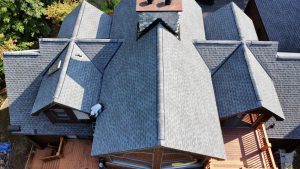
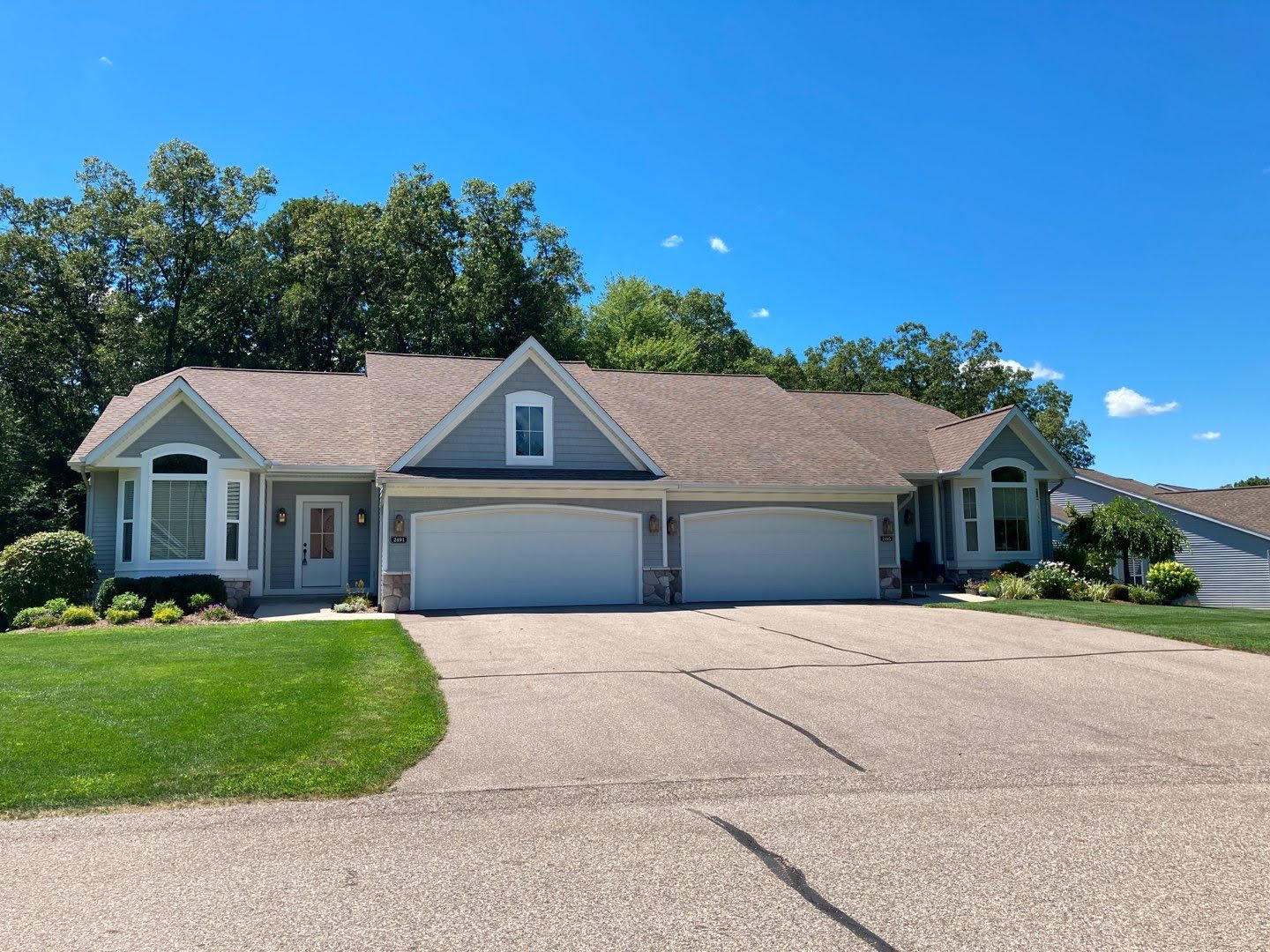
Many condo and townhome communities and some apartment buildings use architectural asphalt shingles across large sloped sections.
Low-slope roof areas
Many apartment complexes and shared-use structures have low-slope sections on entries, breezeways, connector roofs, mechanical zones, or amenity buildings. These areas are often where leaks appear first.
Metal details or specialty areas
Some properties include metal accents, gutters, or limited metal roof sections that require different repair planning.
A roofing company in Metro Detroit or a roofing company Traverse City Michigan property managers rely on can help you map these areas, estimate remaining roof life by building, and recommend a phased schedule.
Step 2: Separate Your Roofing Budget Into Three Buckets
Most multi-family communities build more realistic budgets when they separate spending into three categories.
- Routine repairs
This includes predictable needs like flashing repairs, vent and pipe boot issues, isolated shingle damage, and small leak investigations. In West Michigan, roof repair Grand Rapids calls often start small but become expensive when they repeat in the same areas. - Storm and emergency response
Michigan weather makes emergency roof leak repair a recurring reality. Budgets should include funds for rapid response, temporary protection, and documentation after wind or hail events. - Planned replacement or phased replacement
This is where roof replacement cost in Michigan becomes a reserve planning issue. Instead of waiting until every building is failing at once, many properties plan phased replacements by building group, age, or risk.
Step 3: Understand What Drives Roof Replacement Cost in Michigan
Roof replacement cost in Michigan depends less on one simple price and more on project conditions, especially in multi-family.
Key drivers include:
Building count and layout
Replacing 10 small roofs across a complex is not the same as replacing one large roof.
Access and staging
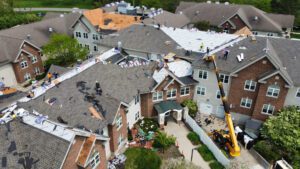
Apartment complexes often require careful staging and resident coordination, which affects labor.
Roof complexity
Steeper slopes, multiple valleys, dormers, and transitions increase labor and materials.
System mix
If your property includes a combination of shingles and low-slope areas, budgeting should reflect both.
This is where getting a detailed commercial roofing quote is helpful even for properties with mostly residential-style sloped roofs, because multi-building logistics change how projects are priced and scheduled.
Step 4: Plan for Repairs That Prevent Bigger Expenses
The most cost-effective multi-family roofing budgets include preventive work that avoids major failures.
Examples include:
Targeted repairs on recurring leak zones
Fixing the same area repeatedly usually means the detail is wrong, not just the shingle.
Replacing or resealing flashing on transitions
Many leaks come from walls, chimneys, and roof-to-wall transitions.
Addressing drainage and ice issues early
Ice dams and poor drainage shorten roof life quickly.
For properties with low-slope sections, some owners use approaches like waterproof metal roof coating or similar protective coatings on metal-adjacent areas or specialty surfaces, but these should be evaluated case-by-case. They are not a default solution for shingle systems.
Step 5: Choose a Contractor Who Can Support Long-Term Planning
The best choice for roofing is not the lowest number on a bid. For multi-family properties, it is a contractor who can help you forecast, document, and plan.
A strong partner should provide:
Clear inspection documentation with photos
Budget ranges for repairs and replacement
Phasing recommendations across multiple buildings
Emergency response expectations
Support for board or ownership communication
Property managers often say they want a premier experience, but what that really means is predictable timelines, clear documentation, and no surprises.
If you need swift roofing completed after a storm, you also want a contractor who already knows your property, not someone learning it under pressure.
Most importantly, choose a roof company that takes an above roofing approach, meaning they do not just patch issues, they help you understand why the issues are happening and how to budget around them.
Final Thoughts
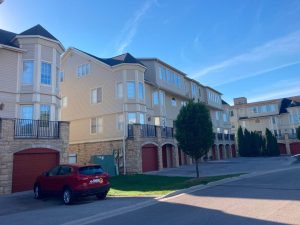
Multi-family roofing budgets work best when they are built around the reality of the property, not one building and not one roof type. Condos, townhomes, and apartment complexes all face the same challenge, shared responsibility at scale.
By inventorying roof systems, separating repairs from replacements, and planning phased work, Michigan multi-family owners can reduce surprises, protect residents, and control long-term costs.
If you manage communities in Grand Rapids, Traverse City, or Metro Detroit, working with experienced roofing contractors in grand rapids michigan or your local region can make budgeting far more accurate and far less stressful.